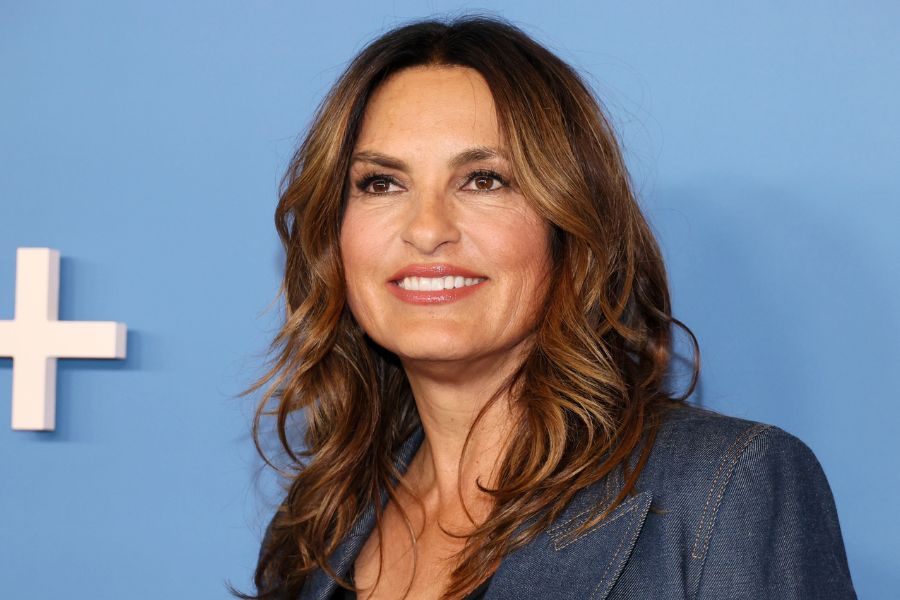
Mariska Hargitay didn’t hold back her emotions when she saw how Christopher Meloni reacted to the cancellation of Law & Order: Organized Crime. Speaking at NBCUniversal’s Emmy Luncheon in Los Angeles, the actor shared that the moment hit her instantly — and deeply. She revealed that she broke down in tears as soon as she saw Meloni’s response online.
For Hargitay, it wasn’t just about a show ending; it was about closing a meaningful chapter. She spoke about how the series had been an important and transformative part of Meloni’s life, describing his reaction as open, honest, and emotional. That connection clearly resonated with her, especially given their long shared history within the Law & Order universe.
What seemed to affect her even more was the suddenness of the decision. Hargitay admitted that the cancellation came as a surprise, especially considering Meloni’s continued popularity and strong presence in the industry. She called him a “magnificent actor” and pointed out that moments like this force people to pause and reflect, almost like a milestone marking the end of something significant.
The show itself had built a steady run since its premiere in 2021. It followed Meloni’s character, Elliot Stabler — a role he originally played on Law & Order: Special Victims Unit — as he returned to New York and took on organized crime cases after a personal tragedy. Over five seasons, the series carved out its own identity while staying connected to the larger franchise.
Interestingly, the show’s journey wasn’t entirely linear. It aired on NBC for its first four seasons before shifting to Peacock for its fifth and final outing. Season 5 explored darker, more complex storylines involving cross-border smuggling and domestic terrorism, pushing the character into even more intense territory.
Following the cancellation, Meloni shared a heartfelt video message thanking fans for their support over the years. He acknowledged the journey of the character and the audience that stayed with him, calling it “a good ride.” That sentiment, simple as it was, clearly carried weight — enough to move Hargitay to tears.
Beyond the storyline and performances, the reaction highlights something bigger. Shows like Organized Crime aren’t just projects for actors; they become part of their personal and professional identity. And when they end, it’s not just about ratings or networks — it’s about saying goodbye to something that shaped a part of their life.
For fans, it’s the end of a series. For the people behind it, it’s something far more personal.