Netflix has reportedly decided not to move forward with a second season of The Boroughs, bringing an unexpected end to one of its most talked-about sci-fi launches of the year. The series arrived with significant expectations thanks to the involvement of Stranger Things creators Matt and Ross Duffer, but strong reviews ultimately weren’t enough to secure its future.
The cancellation comes as a surprise because discussions about continuing the show had reportedly already begun behind the scenes. In fact, sources suggest that Netflix and the creative team had been exploring long-term plans for the series before audience numbers shifted the conversation in a different direction.
Season 2 Was Already Being Discussed
According to reports, The Boroughs was far from being treated as a one-season experiment. A writers room for Season 2 had already been assembled, something that has become increasingly common for high-profile streaming projects looking to shorten gaps between seasons.
There were even conversations about shooting multiple future seasons together. One idea reportedly being considered involved filming Seasons 2 and 3 back-to-back, a strategy that could have helped the series maintain momentum and reduce production costs over the long term.
Those plans, however, were being developed before Netflix had a complete picture of the show’s performance. Once viewing data became clearer, the streaming giant appears to have reassessed the project’s future.
For fans who had hoped the finale would lead to bigger mysteries and deeper exploration of the show’s supernatural world, the news is likely to come as a major disappointment.
Strong Reviews Could Not Overcome Audience Numbers
Critically, The Boroughs performed well. The series earned praise for its unusual premise, emotional storytelling and veteran ensemble cast. Many reviewers described it as a refreshing twist on familiar sci-fi concepts, particularly because it centered on older protagonists rather than teenagers.
The show was often described as “Stranger Things with seniors,” a comparison that helped generate early curiosity. Set inside a seemingly peaceful retirement community, the story followed a group of elderly residents who discover an otherworldly threat capable of stealing the one thing they have the least of: time.
Despite the positive reception, viewership appears to have fallen short of expectations. The series reportedly generated 5.6 million views during its opening weekend. While that figure was respectable, it was not considered particularly strong for a major sci-fi production carrying the Duffer Brothers’ name.
Its first full week showed improvement, reaching 9.5 million views. However, the momentum did not last. By the following week, viewership reportedly dropped sharply to 3.7 million views, signaling that audience growth had stalled.
For streaming platforms, sustained engagement is often just as important as opening numbers. The rapid decline appears to have played a significant role in Netflix’s decision.
The Shadow of Stranger Things May Have Been Too Big
One challenge facing The Boroughs was unavoidable from the beginning. Any project connected to the Duffer Brothers would naturally invite comparisons to Stranger Things, one of the most successful television franchises in streaming history.
The timing may have made matters even more difficult. The series arrived not long after the highly emotional final season of Stranger Things, which dominated pop culture conversations and became one of Netflix’s biggest events.
Some industry observers believe audiences simply weren’t ready to immediately invest in another supernatural mystery from the same creative camp. There is also the possibility of franchise fatigue. Earlier this year, another Duffer-produced paranormal series, Something Very Bad Is Going to Happen, also launched on Netflix.
That project was treated as a limited series and will not continue either. As a result, only one Duffer Brothers-related series currently remains active at Netflix: the animated Stranger Things: Tales from ’85.
Expensive Productions Face Tougher Decisions
Another factor likely influencing the cancellation is cost. While Netflix rarely discusses budgets publicly, genre series with extensive visual effects and large ensemble casts tend to require significant investment.
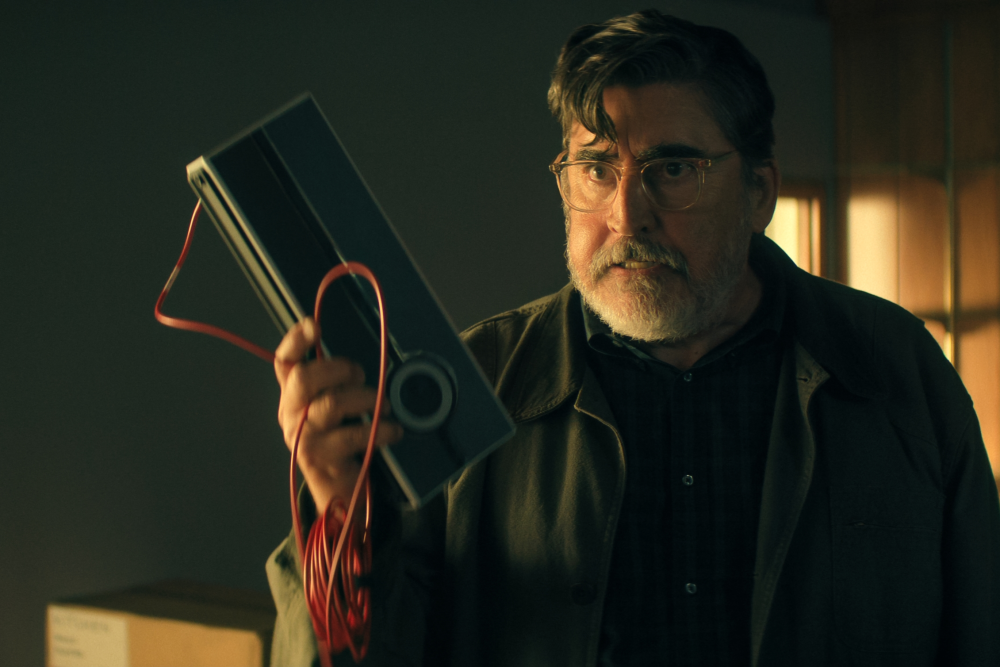
The Boroughs featured a notable cast led by Alfred Molina, Geena Davis, Alfre Woodard, Denis O’Hare, Clarke Peters and Bill Pullman. Supporting performers included Jena Malone, Carlos Miranda, Seth Numrich and Alice Kremelberg.
Combining established actors with special-effects-heavy storytelling can create a difficult equation when viewership does not reach blockbuster levels. Streaming platforms increasingly weigh audience engagement against production costs, especially as competition within the industry intensifies.
In the current streaming environment, positive reviews alone are rarely enough to guarantee renewal. Platforms are placing greater emphasis on completion rates, subscriber impact and long-term audience retention.
What The Boroughs Leaves Behind
Created by Jeffrey Addiss and Will Matthews, The Boroughs stood out because of its willingness to place older characters at the center of a genre typically dominated by younger heroes. That creative decision earned praise from viewers who appreciated seeing veteran actors tackle a large-scale supernatural story.
The show’s finale was also designed with future seasons in mind. The creators had intentionally left the door open for additional chapters, planting narrative threads that could have expanded the mythology considerably if Netflix had moved ahead with a renewal.
Unfortunately for fans, those questions may now remain unanswered.
While The Boroughs may not continue, its cancellation highlights an increasingly common reality in the streaming era. Even acclaimed shows with major creative talent and ambitious storytelling can struggle to survive if audience growth doesn’t meet expectations. In a television landscape crowded with new releases every week, capturing attention is only half the battle—keeping it is often the harder challenge.