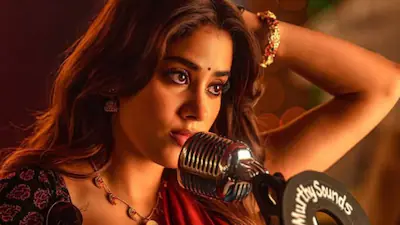
The conversation around Peddi is getting louder with each passing day, and this time the spotlight is not only on the film but also on comments Janhvi Kapoor made months before its release. Ever since audiences watched the film in theatres, social media has been flooded with criticism over the portrayal of Janhvi’s character Achiyyamma. Many viewers have questioned whether the character was reduced to visual appeal rather than being given meaningful depth. As the backlash continues, an earlier interview of the actress discussing oversexualisation in cinema has suddenly become relevant again.
The controversy has placed director Buchi Babu Sana and lead star Ram Charan under scrutiny, with several moviegoers arguing that certain scenes presented in the film cross the line between romance and objectification. While reactions remain divided, the discussion has pushed broader questions about female representation in mainstream commercial cinema back into the spotlight. The debate has become one of the biggest talking points surrounding the film since its release.
Janhvi Had Already Spoken About Boundaries In Cinema
Months before Peddi arrived in theatres, Janhvi Kapoor opened up about the way actresses are sometimes presented on screen. During a podcast appearance earlier this year, she spoke candidly about the difference between performing in a sensual scene by choice and being portrayed in a way that feels uncomfortable. According to the actress, consent is the deciding factor. She explained that if a performer knowingly agrees to a particular presentation, that is entirely different from being sexualised in ways they never signed up for.
Janhvi also admitted that learning to push back against certain filmmaking choices has been a gradual process. She revealed that there were moments when she felt uncomfortable with specific camera placements or visual framing but hesitated to object because she did not want to be viewed as difficult or unprofessional. Over time, however, she said she has become more confident about expressing her concerns and protecting her personal boundaries on set. The actress noted that speaking up is important, even if it means having uncomfortable conversations.
In the same interview, she reflected on how industry perceptions often shape the opportunities offered to actresses. Janhvi suggested that filmmakers sometimes build assumptions around an actor’s public image and then cast them accordingly. She also pointed out that audience reactions can influence the type of roles and scripts that eventually land on an actor’s desk. Her comments were widely discussed at the time, but they have now returned to public attention for a very different reason.
What Janhvi Said While Promoting Peddi
Interestingly, during promotional events for Peddi, Janhvi appeared enthusiastic about the character and credited much of her performance to Buchi Babu Sana’s direction. She described Achiyyamma as a colourful and unusual personality, explaining that the filmmaker often encouraged her to adopt distinctive mannerisms and body language to bring the character to life. According to the actress, many of the quirks seen on screen came directly from the director’s creative vision rather than her own improvisation.
She even joked during one promotional interaction that reviewers should remember the director’s contribution when discussing her performance. Janhvi remarked that whatever praise or criticism came her way for the role should also acknowledge the filmmaker who shaped the character. At the time, the comment was seen as a light-hearted gesture. Following the film’s release, however, many viewers have revisited those remarks while discussing the creative choices behind Achiyyamma’s portrayal.
Released on June 4 after premiere screenings a day earlier, Peddi has generated strong attention online, though not always for the reasons its makers may have hoped. While some audiences have praised the film’s scale and performances, criticism surrounding certain scenes involving Janhvi Kapoor and Ram Charan continues to dominate discussions. The debate has also sparked wider conversations about where filmmakers should draw the line when depicting romance, and whether modern audiences are becoming less willing to accept storytelling tropes that once passed without much scrutiny.